Understanding Semiconductor Lead Times: Why Some ICs Take 52+ Weeks
For procurement teams outside the semiconductor industry, one of the most confusing supply chain realities is the concept of lead times.
A component that was readily available last quarter can suddenly move to:
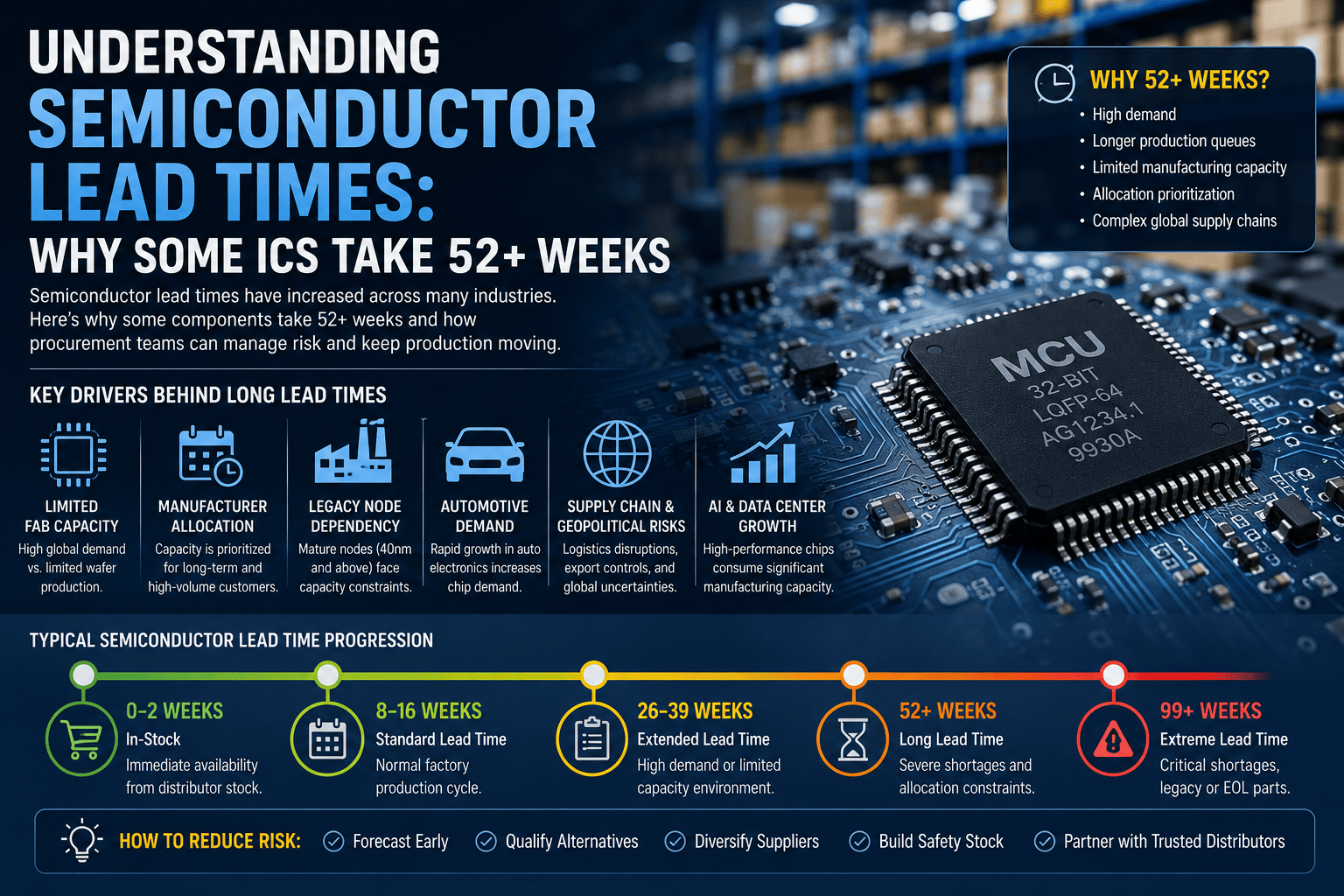
- 26 weeks
- 39 weeks
- 52 weeks
- Even 99+ weeks in extreme cases
For manufacturers depending on production continuity, these delays can create major operational disruptions. Entire product lines may be delayed because of a single unavailable IC.
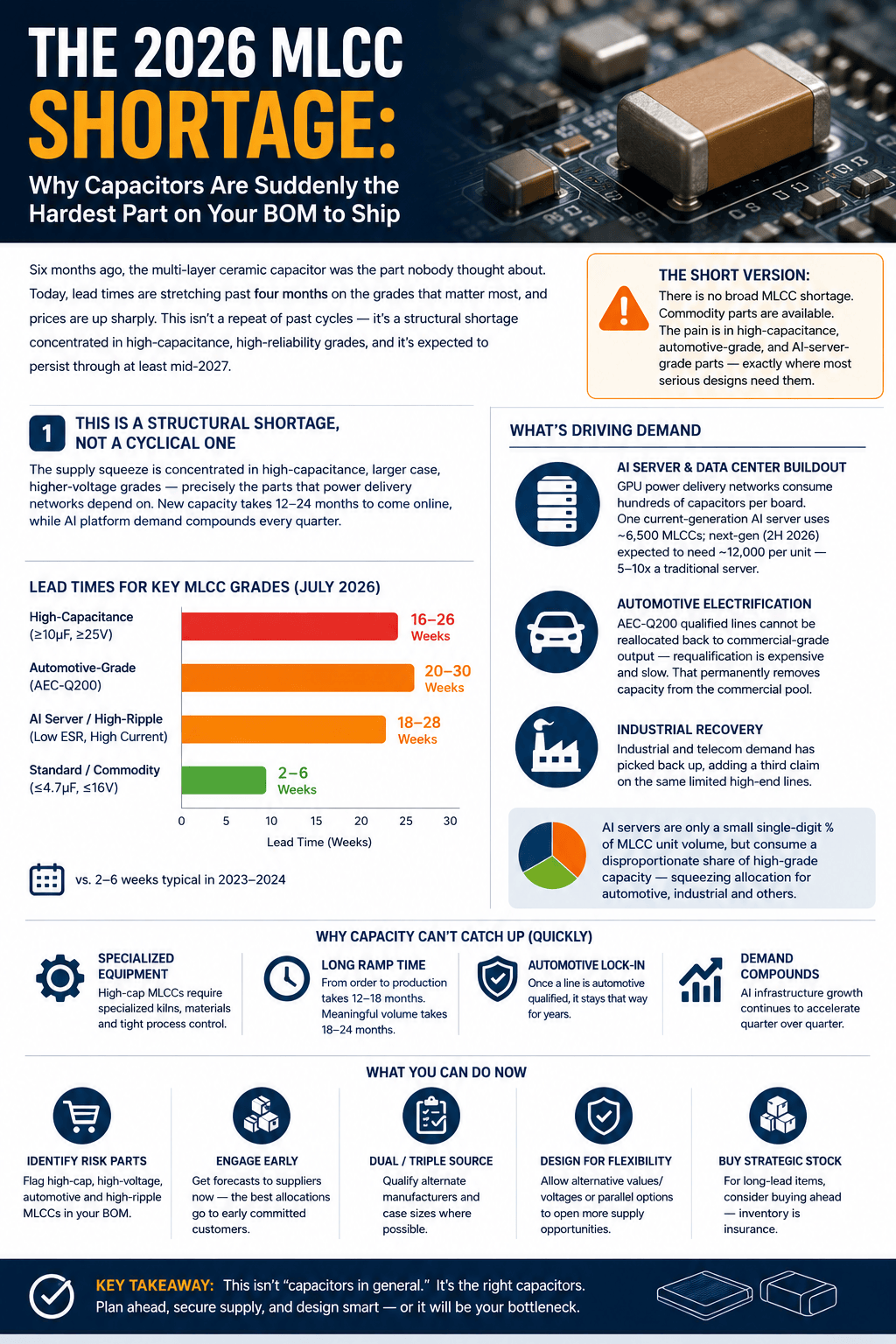
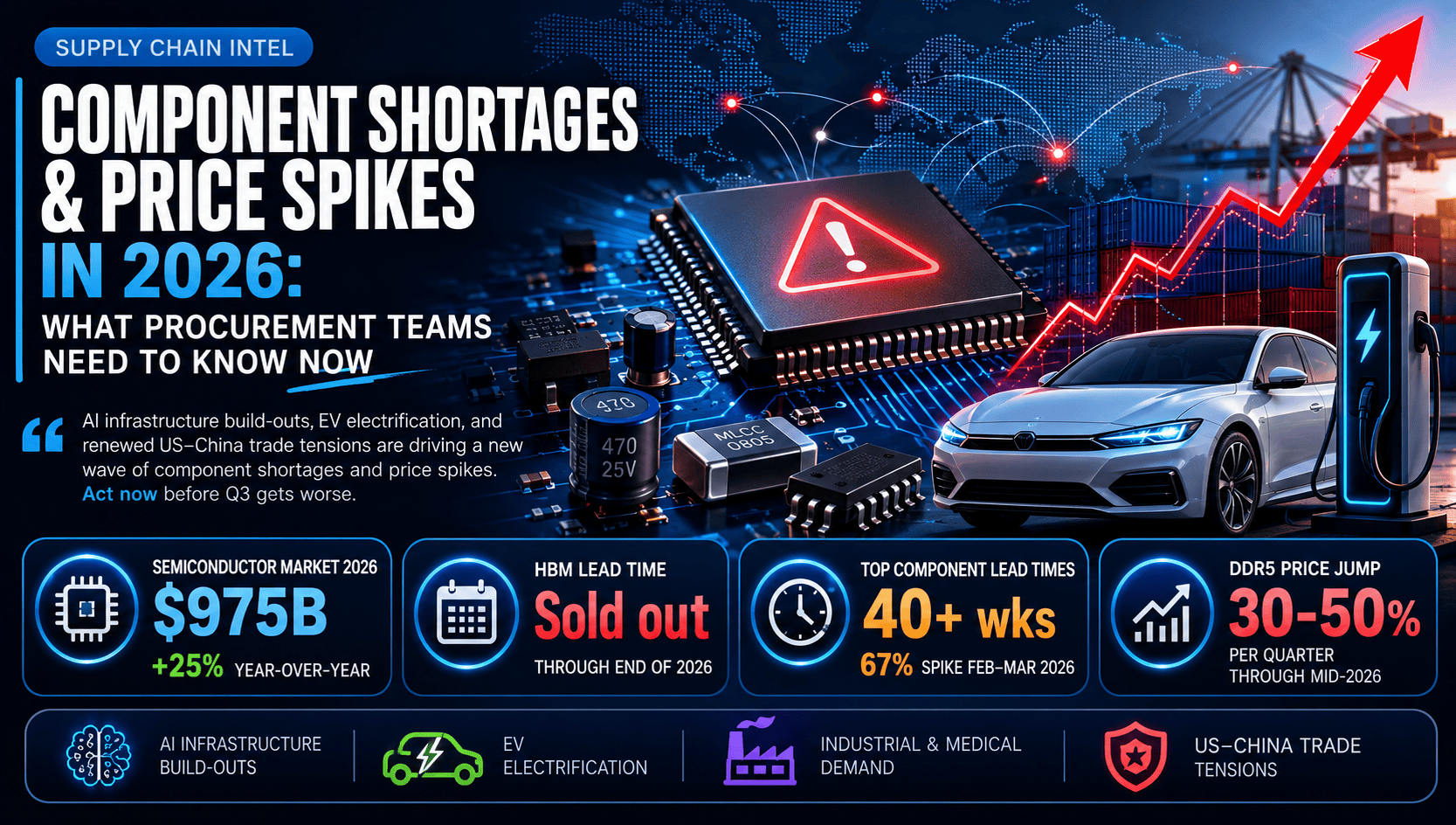
In 2026, although some semiconductor categories have stabilized compared to peak shortage periods, long lead times remain a major challenge across many segments of the electronics industry.
At Simplytronix, we regularly work with OEMs, EMS companies, and procurement teams navigating difficult sourcing conditions. Understanding how semiconductor lead times work is essential for reducing risk and improving purchasing decisions.
What Is a Semiconductor Lead Time?
A semiconductor lead time refers to the period between placing an order with a supplier and receiving the components.
For example:
| Scenario | Lead Time |
|---|---|
| Immediate stock availability | 0–2 weeks |
| Standard production scheduling | 8–16 weeks |
| Allocation or shortage conditions | 26–52+ weeks |
Lead time does not always mean manufacturing itself takes that long. Instead, it reflects the combined impact of:
- Wafer capacity
- Factory scheduling
- Packaging availability
- Testing queues
- Customer allocation priorities
- Global demand levels
- Supply chain bottlenecks
During shortage periods, manufacturers often receive more orders than their production capacity can support. This creates allocation-based supply conditions.
Why Semiconductor Manufacturing Takes So Long
Semiconductor manufacturing is one of the most complex industrial processes in the world.
Unlike many traditional products, IC production involves:
- Extremely advanced fabrication facilities
- Hundreds of process steps
- Microscopic precision manufacturing
- High-temperature chemical processing
- Wafer fabrication
- Assembly and packaging
- Electrical testing and validation
A single wafer cycle can already require several months before packaging even begins.
Adding capacity is also extremely difficult because semiconductor fabs cost billions of dollars and require years to build.
| Industry Factor | Impact on Lead Times |
|---|---|
| Limited fab capacity | Longer production queues |
| High global demand | Allocation pressure |
| Packaging shortages | Assembly delays |
| Wafer supply constraints | Reduced output |
| Geopolitical disruptions | Logistics instability |
Why Some ICs Reach 52+ Week Lead Times
1. Capacity Allocation by Manufacturers
Semiconductor manufacturers prioritize production based on:
- Long-term customer agreements
- Strategic industries
- High-volume buyers
- Higher-margin products
Large OEMs often secure allocation first, while smaller buyers may experience significantly longer delays.
During shortages, factories typically reduce spot-market availability and reserve production for contracted customers.
2. Mature Node Dependency
Many industrial and automotive ICs still rely on older semiconductor process nodes such as:
- 90nm
- 65nm
- 45nm
- 40nm
While public attention often focuses on advanced AI chips, many mature-node devices remain essential for:
- Power management
- Microcontrollers
- Industrial control systems
- Automotive electronics
- Medical equipment
The challenge is that global investment has heavily favored advanced-node production, while mature-node expansion remains limited.
As demand increases, older-node fabs become overloaded quickly.
3. Automotive Electronics Growth
Modern vehicles now contain thousands of semiconductors.
Electric vehicles and advanced driver-assistance systems have dramatically increased demand for:
- MCUs
- Memory
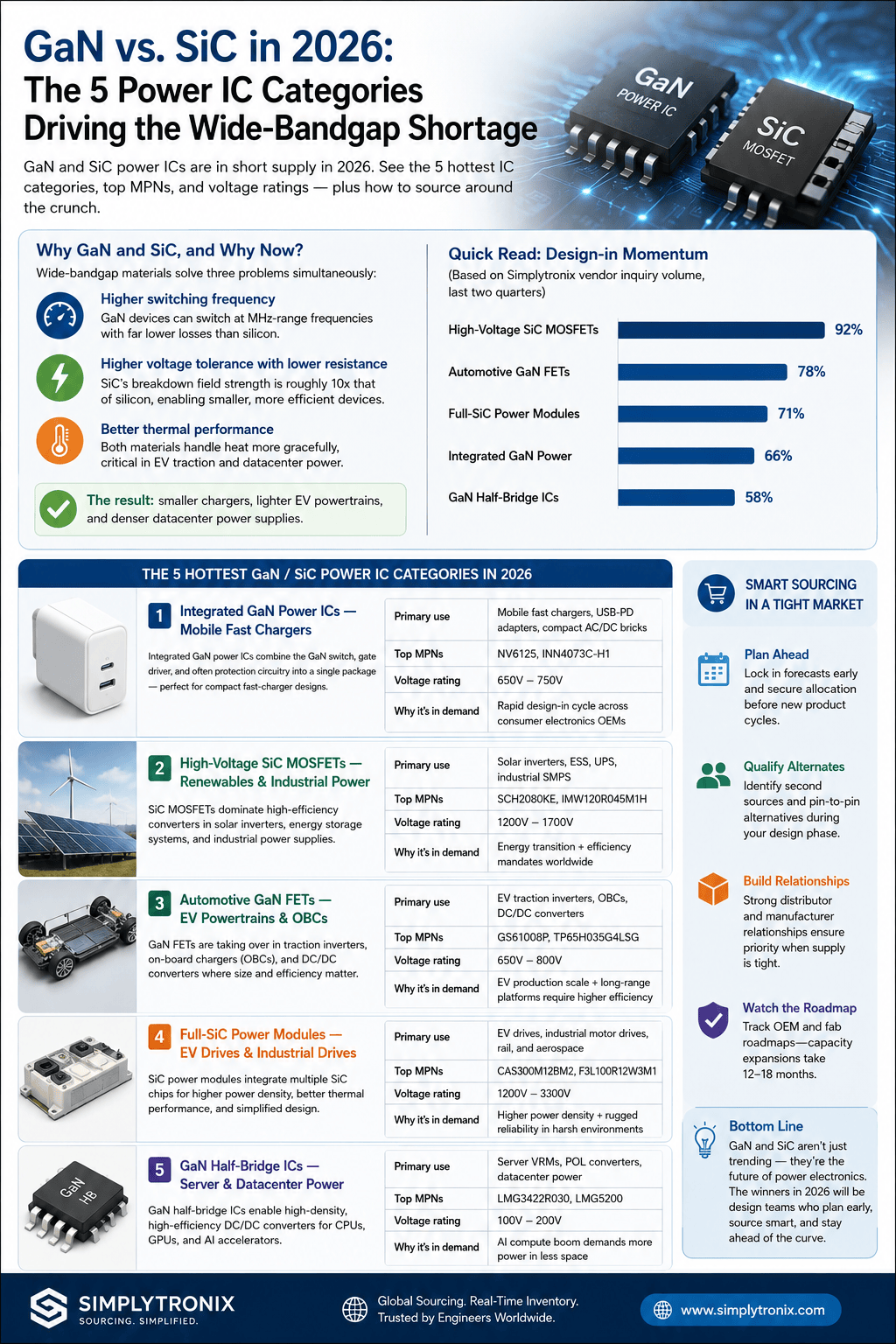
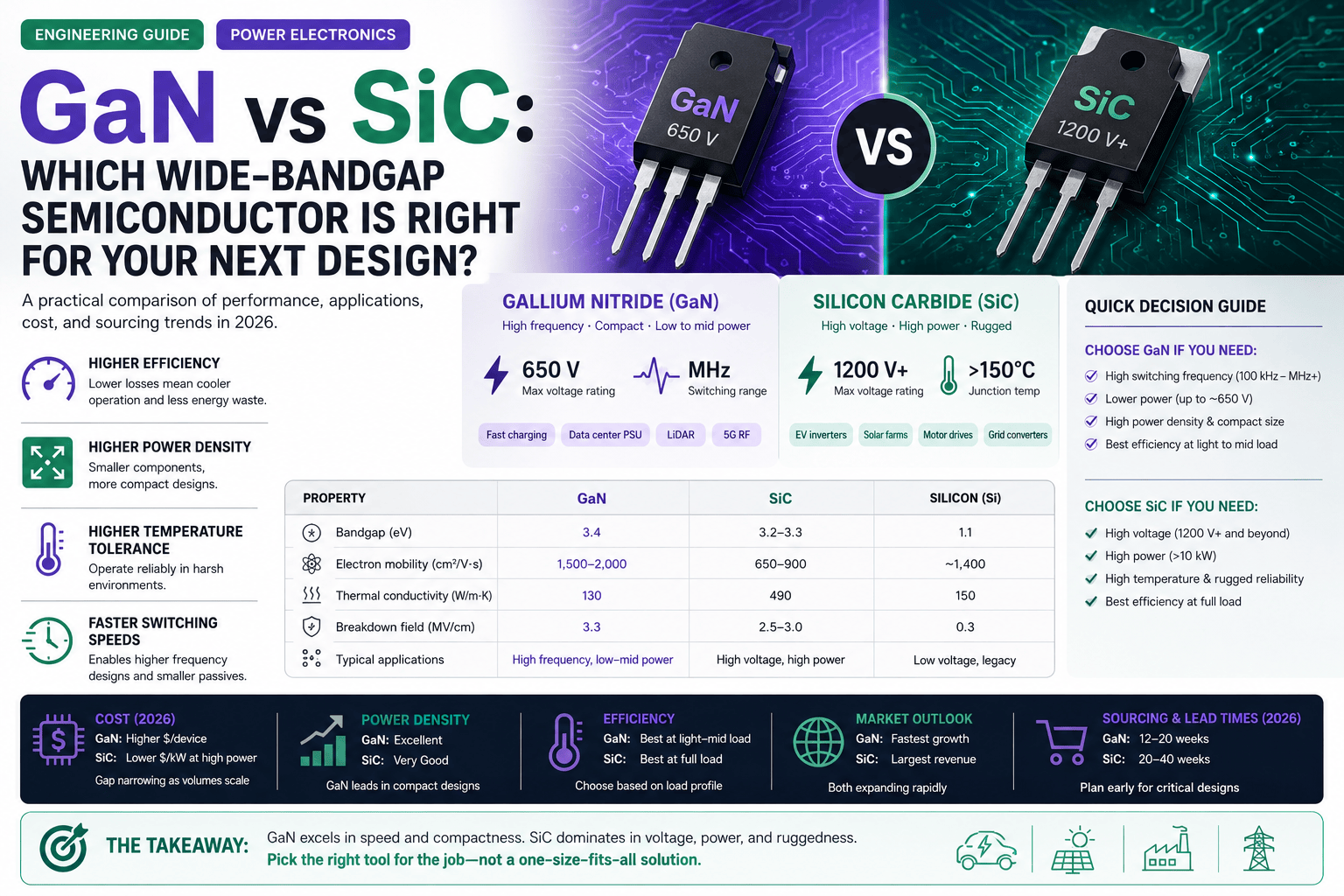
- Power semiconductors
- Sensors
- Connectivity ICs
Automotive manufacturers typically require:
- Long-term supply guarantees
- Strict qualification standards
- Dedicated production allocation
This reduces available capacity for other industries during supply constraints.
4. AI and Data Center Expansion
Artificial Intelligence infrastructure growth is consuming enormous semiconductor capacity globally.
AI servers require:
- High-performance GPUs
- HBM memory
- Advanced processors
- Enterprise storage
- Power management systems
As manufacturers prioritize these high-demand sectors, production flexibility for legacy and industrial components becomes more limited.
5. Supply Chain Disruptions and Geopolitical Risk
The semiconductor industry operates through a deeply interconnected global supply chain.
A disruption in one region can affect production worldwide.
Lead times may increase due to:
- Export restrictions
- Shipping delays
- Raw material shortages
- Geopolitical tensions
- Natural disasters
- Energy supply instability
Because semiconductor manufacturing depends on highly specialized equipment and materials, even minor disruptions can create major downstream delays.
Which Components Usually Have the Longest Lead Times?
Although conditions change constantly, some categories consistently experience higher supply pressure.
| Component Category | Typical Risk Level |
|---|---|
| Automotive MCUs | Very High |
| Power Management ICs | High |
| DDR / NAND Memory | High |
| Industrial Processors | Moderate to High |
| Networking ICs | High |
| Legacy Components | Very High |
Older or specialized part numbers are often the hardest to secure because production volumes are smaller and manufacturing flexibility is limited.
Why Lead Times Create Major Business Risks
Long semiconductor lead times affect far more than procurement departments.
They directly impact:
- Production schedules
- Revenue forecasting
- Inventory planning
- Customer commitments
- Cash flow management
- Product launch timelines
A single missing IC can halt an entire assembly line worth millions of dollars.
In many industries, delayed shipments also damage customer relationships and contractual obligations.
How Companies Reduce Lead Time Risk
Modern procurement strategies have evolved significantly because traditional just-in-time sourcing models no longer provide enough protection during volatile market conditions.
Best Practices for Procurement Teams
| Strategy | Benefit |
|---|---|
| Long-term forecasting | Improves supplier allocation access |
| Safety stock planning | Protects production continuity |
| Multi-source qualification | Reduces supplier dependency |
| Alternative part validation | Improves sourcing flexibility |
| Early procurement action | Avoids panic buying |
| Supplier diversification | Reduces geopolitical exposure |
Companies relying purely on reactive purchasing are facing the highest operational risk in today's semiconductor environment.
The Growing Role of Independent Distributors
During severe lead-time conditions, many OEMs and EMS providers increasingly turn toward independent distributors to secure critical inventory.
Independent sourcing channels can provide:
- Spot inventory access
- Hard-to-find components
- Global supplier networks
- Faster procurement options
- Flexible sourcing solutions
However, buyers must also manage increased counterfeit risk carefully when sourcing outside authorized channels.
Proper supplier verification and testing procedures remain essential.
Will Semiconductor Lead Times Improve?
Some semiconductor categories have stabilized compared to the extreme shortages seen during earlier market disruptions. However, long-term structural pressures remain across several segments.
The industry continues facing:
- Strong AI-related demand
- Automotive semiconductor growth
- Mature-node capacity limitations
- Geopolitical uncertainty
- Long fab expansion timelines
As a result, lead-time volatility is likely to remain part of semiconductor procurement for the foreseeable future.
Final Thoughts
Semiconductor lead times are no longer just a temporary operational inconvenience. They have become a strategic business challenge affecting manufacturers worldwide.
Understanding why some ICs suddenly move to 52+ week delivery windows helps procurement teams make better sourcing decisions, reduce risk exposure, and improve production planning.
Companies that invest in forecasting, supplier diversification, inventory strategy, and proactive sourcing will remain significantly more resilient during future supply chain disruptions.
At Simplytronix, we continue supporting global customers with strategic sourcing solutions, hard-to-find component procurement, and supply chain intelligence across the electronics industry.
In modern electronics manufacturing, managing lead times effectively is no longer optional. It is a critical competitive advantage.