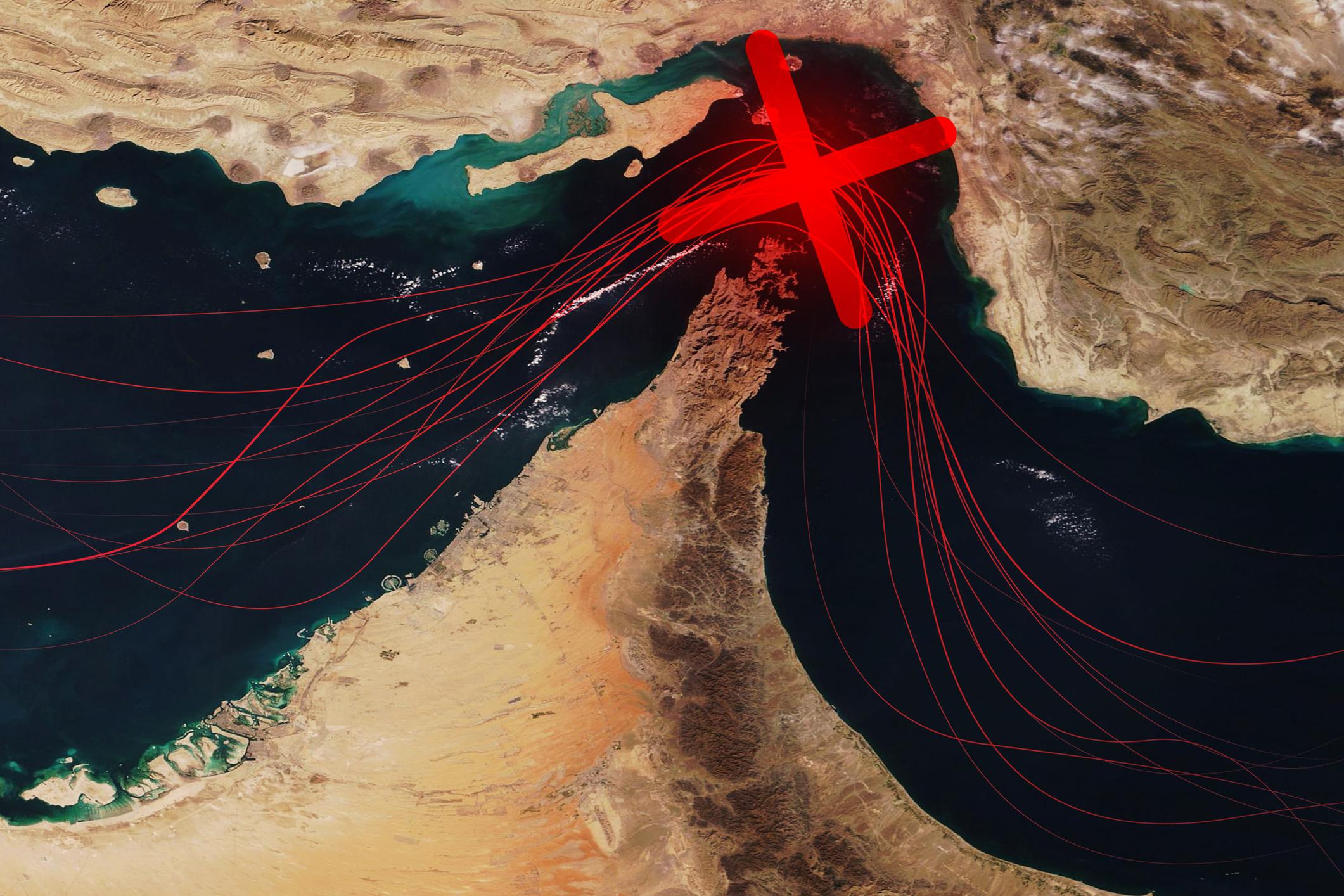
The global semiconductor industry operates on a highly interconnected supply chain that depends on stable energy flows, efficient logistics, and timely delivery of raw materials. One of the most critical geopolitical chokepoints in this network is the Strait of Hormuz. Any disruption in this region could trigger widespread consequences across the semiconductor ecosystem.
Why the Strait of Hormuz Matters
The Strait of Hormuz is one of the world's most important maritime passages, linking the Persian Gulf to the Arabian Sea. It facilitates nearly 20–30% of global oil shipments and a large share of liquefied natural gas (LNG) exports. These energy supplies are essential for industries worldwide, including semiconductor manufacturing.
A blockade in this region would not only disrupt oil supply but also significantly impact global shipping routes, increasing transit times and costs.
Impact on Semiconductor Manufacturing
Energy Supply Shock
Semiconductor fabrication is extremely energy-intensive. Leading foundries rely on stable electricity and gas supplies to maintain production efficiency. A disruption in oil and LNG flows would increase energy costs, reduce production capacity, and impact chip yields.
Raw Material Bottlenecks
Chip manufacturing depends on globally sourced materials such as neon gas, palladium, and specialized chemicals. Shipping disruptions would delay the movement of these critical inputs, creating bottlenecks in fabrication processes.
Logistics and Shipping Delays
The semiconductor supply chain relies heavily on just-in-time logistics. A blockade would force rerouting of cargo ships, increase freight costs, and delay deliveries of both raw materials and finished components.
Ripple Effects Across Industries
Disruptions in semiconductor supply chains would extend far beyond chip manufacturers. Industries such as automotive, consumer electronics, telecommunications, and defense systems would face component shortages and rising costs.
The automotive sector, in particular, could experience production slowdowns due to its heavy reliance on semiconductor components for modern vehicles.
Global Economic Implications
A prolonged disruption in the Strait of Hormuz would contribute to global inflationary pressures, supply chain instability, and economic uncertainty. Countries dependent on semiconductor imports, including India, would be especially vulnerable.
Mitigation Strategies
- Diversification of supply chains across multiple regions
- Investment in domestic semiconductor manufacturing
- Strategic stockpiling of critical raw materials
- Development of alternative shipping and logistics routes
Conclusion
The semiconductor industry's reliance on global logistics and energy supply makes it highly sensitive to geopolitical disruptions. A blockade of the Strait of Hormuz would not only impact oil markets but also create a cascading effect across the global technology ecosystem.
Strengthening supply chain resilience is no longer optional—it is essential for long-term stability and growth in the semiconductor industry.