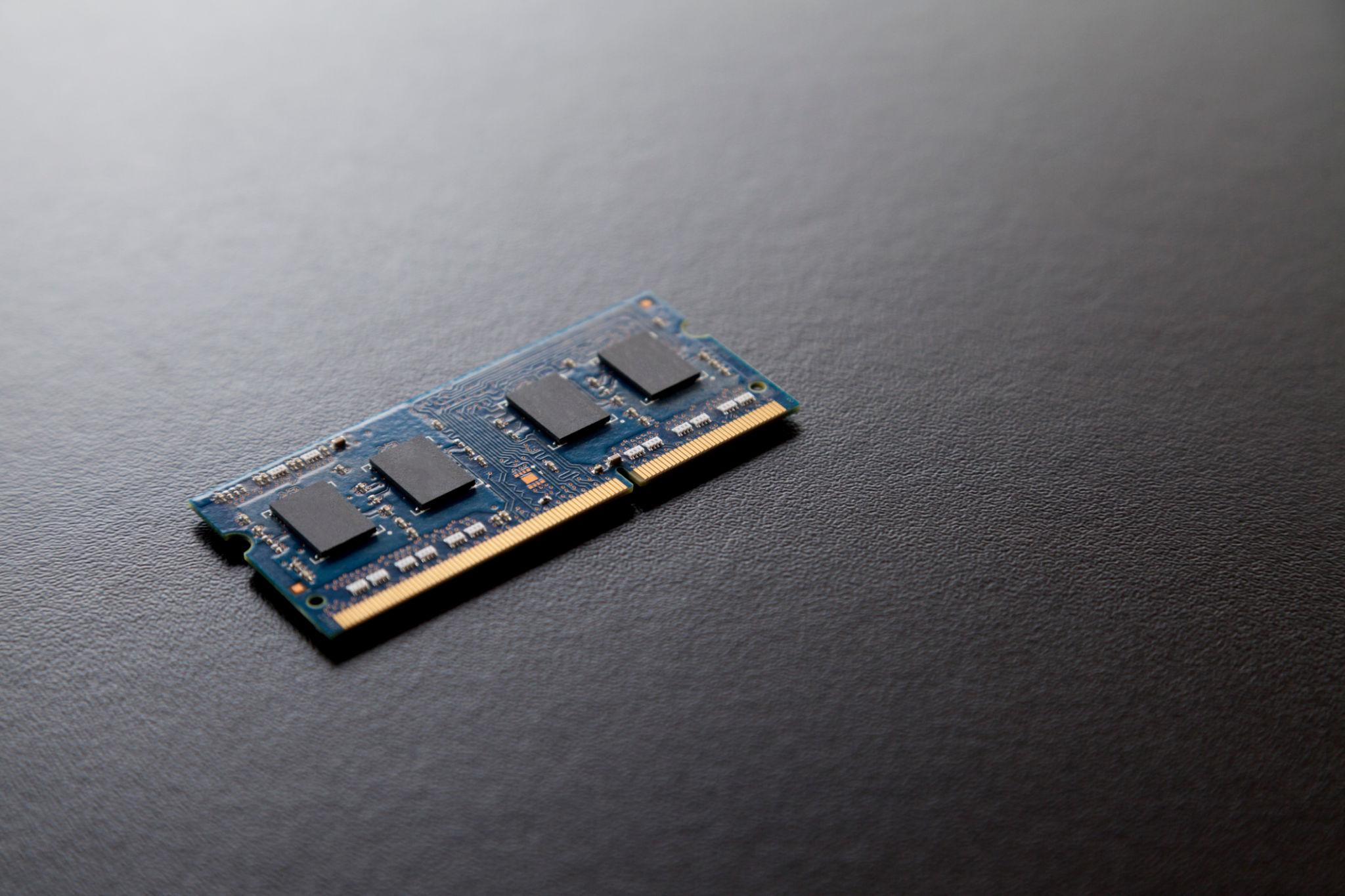
Introduction to Memory ICs
Memory ICs (Integrated Circuits) are essential components in modern electronics, used to store and retrieve data in devices ranging from smartphones to industrial systems. Whether it’s temporary data processing or long-term storage, memory ICs play a critical role in system performance.
Types of Memory ICs
1. SRAM (Static RAM)
SRAM is a high-speed memory used for cache and buffering applications. It does not require refreshing, making it faster but more expensive compared to DRAM.
- Very fast access time
- Higher cost
- Used in CPU cache and embedded systems
2. DRAM (Dynamic RAM)
DRAM is widely used as main system memory. It requires periodic refreshing but offers higher density at a lower cost.
- Cost-effective
- High capacity
- Used in computers and servers
3. Flash Memory
Flash memory is non-volatile, meaning it retains data even when power is removed. It is commonly used in SSDs, USB drives, and embedded systems.
- Non-volatile storage
- High durability
- Used in consumer and industrial electronics
4. EEPROM
EEPROM allows data to be electrically erased and reprogrammed. It is often used for storing configuration data.
- Non-volatile
- Reprogrammable
- Used in microcontrollers and calibration storage
Applications of Memory ICs
- Consumer electronics (smartphones, laptops)
- Automotive systems
- Industrial automation
- Telecommunications
- Medical devices
How to Choose the Right Memory IC
When selecting a memory IC, consider the following:
- Speed: Required access time
- Capacity: Storage needs
- Power consumption: Critical for portable devices
- Interface: SPI, I2C, Parallel, etc.
- Temperature range: Industrial vs commercial use
Why Source Memory ICs from Simplytronix
Simplytronix offers a wide range of memory ICs from trusted manufacturers. Whether you need high-performance DRAM or reliable EEPROM, we provide sourcing support, competitive pricing, and fast delivery.
Conclusion
Memory ICs are fundamental to modern electronics. Understanding their types and applications helps engineers and buyers make better decisions for their projects and supply chains.