Introduction
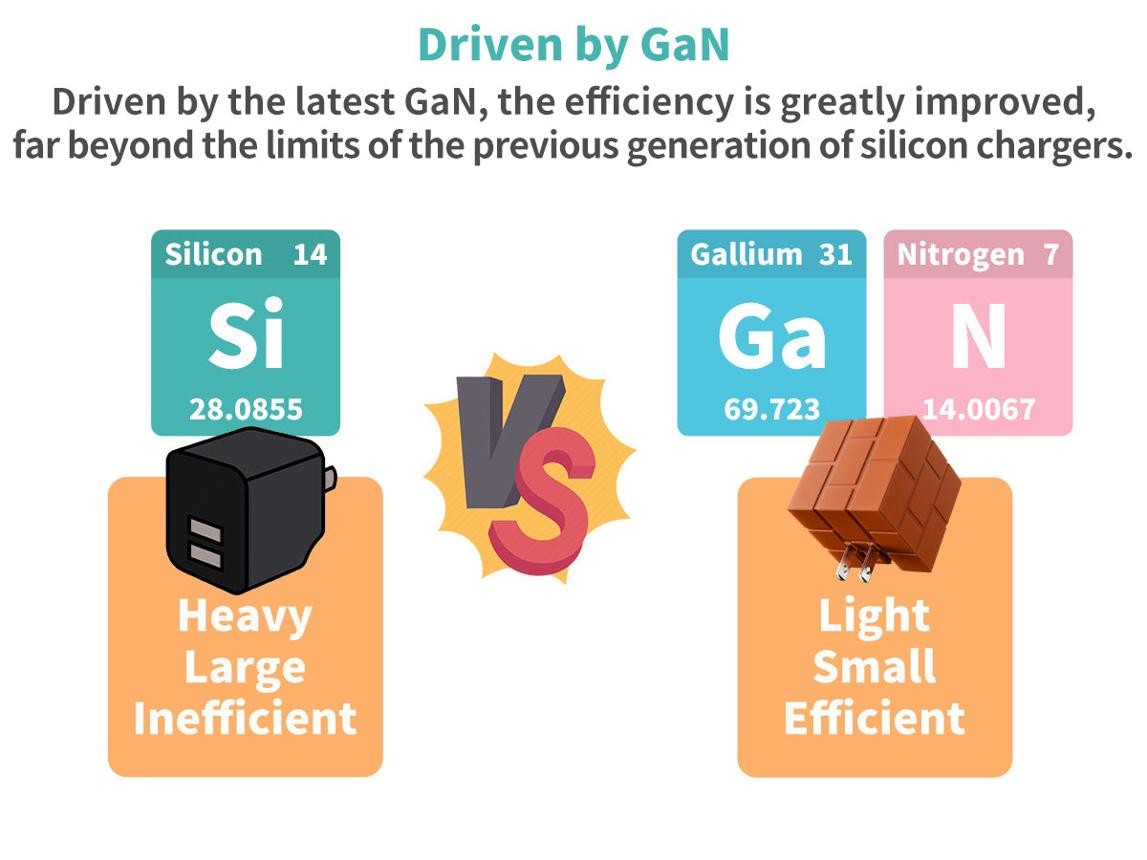
The semiconductor industry is undergoing a major transformation with the rise of Gallium Nitride (GaN) technology. As traditional silicon-based components approach their performance limits, GaN is emerging as a superior alternative for high-efficiency, high-speed power applications.
From compact fast chargers to electric vehicles and industrial systems, GaN is redefining what modern electronics can achieve.
What is Gallium Nitride (GaN)?
Gallium Nitride is a wide bandgap semiconductor material that enables devices to operate at higher voltages, temperatures, and switching frequencies compared to silicon.
Unlike conventional silicon transistors, GaN devices can handle more power with significantly lower losses, making them ideal for next-generation power electronics.
Key Advantages of GaN Technology
1. Higher Efficiency
GaN devices reduce energy loss during power conversion, resulting in improved efficiency and lower heat generation.
2. Faster Switching Speeds
GaN transistors switch much faster than silicon, enabling higher-frequency operation and smaller passive components.
3. Compact Design
Because of high efficiency and reduced heat, GaN-based systems require smaller heat sinks and components, allowing more compact designs.
4. High Power Density
GaN enables more power in a smaller footprint, which is critical for modern electronics like laptops, smartphones, and EV systems.
Applications of GaN
Consumer Electronics
GaN is widely used in fast chargers for smartphones, tablets, and laptops, offering smaller size and faster charging speeds.
Electric Vehicles (EVs)
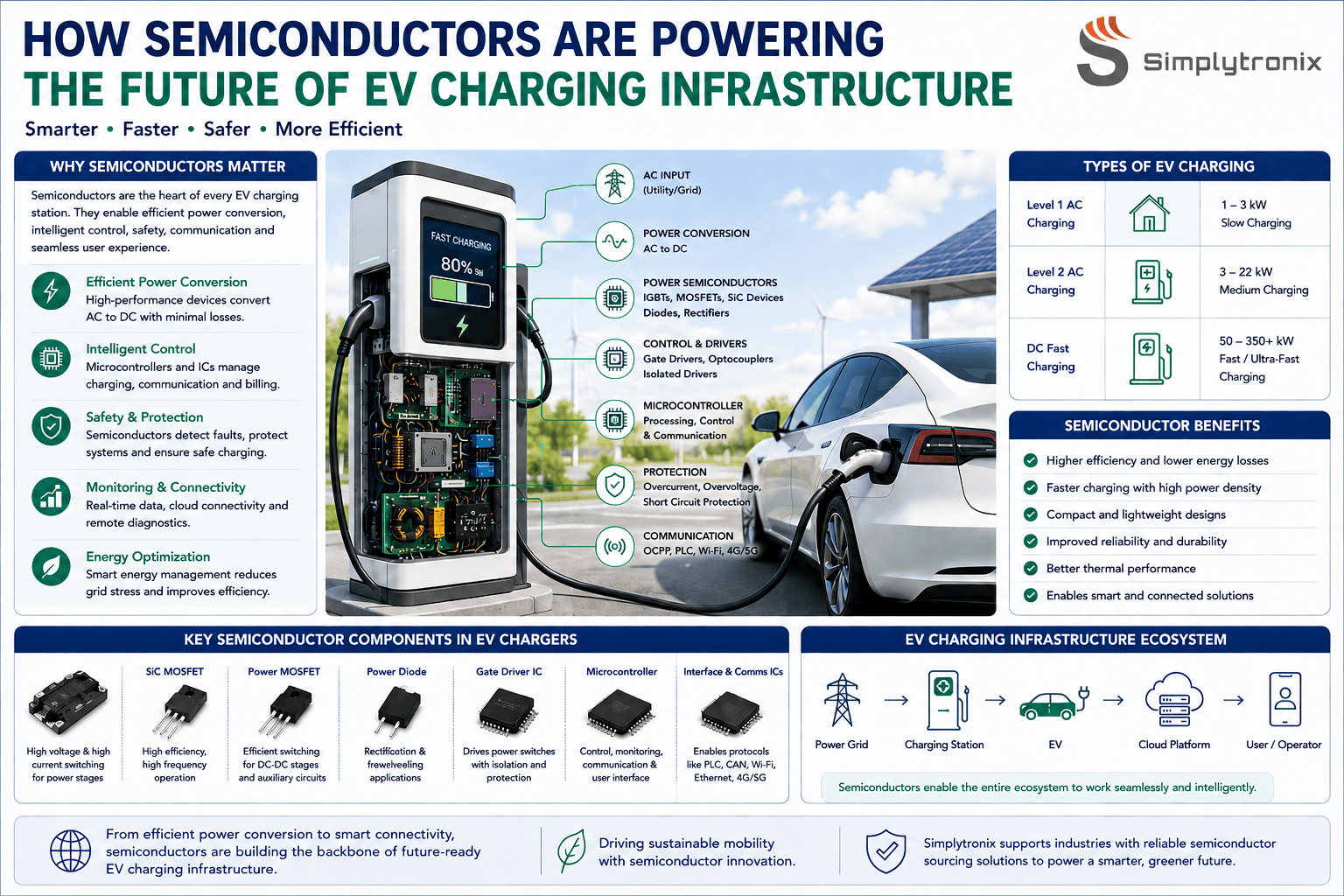
GaN improves efficiency in onboard chargers, inverters, and power conversion systems, extending battery life and reducing energy loss.
Telecommunications & 5G
GaN plays a key role in RF amplifiers used in 5G infrastructure due to its high-frequency performance.
Industrial Systems
From renewable energy systems to robotics, GaN enhances performance and reliability in demanding environments.
GaN vs Silicon: A Quick Comparison
| Feature | Silicon | GaN |
|---|---|---|
| Efficiency | Moderate | High |
| Switching Speed | Slower | Extremely Fast |
| Size | Larger | Compact |
| Heat Generation | Higher | Lower |
| Cost | Lower | Higher (but decreasing) |
Challenges of GaN Adoption
- Higher initial cost compared to silicon
- Complex manufacturing processes
- Design learning curve for engineers
The Future of GaN
GaN is set to play a critical role in the future of electronics. As industries demand higher efficiency, smaller form factors, and better performance, GaN adoption will continue to grow across multiple sectors.
From AI-driven systems to renewable energy and next-generation computing, GaN is not just an alternative—it’s the future.
Conclusion
Gallium Nitride is transforming the landscape of power electronics by offering unmatched efficiency, speed, and compactness. Businesses and engineers embracing GaN today are positioning themselves at the forefront of technological innovation.