eMMC and UFS Memory Shortage in 2026: Causes, Market Impact, and Sourcing Challenges
The global memory industry is once again experiencing significant supply pressure as demand for eMMC and UFS storage solutions continues to increase across multiple industries. In 2026, electronics manufacturers, OEMs, and procurement teams are facing longer lead times, rising prices, and tightening allocation policies for embedded flash memory products.
eMMC (embedded MultiMediaCard) and UFS (Universal Flash Storage) memory devices remain essential components in smartphones, tablets, industrial systems, automotive electronics, networking equipment, medical devices, smart TVs, IoT products, and embedded computing applications.
As demand accelerates while manufacturing capacity remains constrained, the market is witnessing another cycle of shortages affecting both legacy and next-generation storage products.
What Is Driving the eMMC and UFS Shortage?
Several global factors are contributing to the supply imbalance in the memory market.
1. Rising Smartphone and Consumer Electronics Demand
Smartphone manufacturers continue shifting toward higher storage capacities and faster memory technologies. Mid-range and premium devices are increasingly adopting UFS storage instead of traditional eMMC due to higher performance and improved power efficiency.
Modern smartphones now require:
- Higher storage density
- Faster read/write speeds
- Improved multitasking performance
- Enhanced AI processing capability
- Better power optimization
This transition is increasing pressure on NAND flash production capacity worldwide.
2. Automotive Electronics Expansion
The automotive industry has become a major consumer of embedded memory products. Electric vehicles, ADAS systems, infotainment platforms, digital dashboards, and autonomous driving technologies all rely heavily on reliable flash storage.
| Automotive System | Memory Usage |
|---|---|
| Digital Instrument Clusters | eMMC / UFS Storage |
| ADAS Processing Units | High-speed UFS Memory |
| Infotainment Systems | NAND Flash Storage |
| Navigation Platforms | Embedded Storage Solutions |
| AI Vehicle Systems | High-performance Memory |
Automotive-grade memory requires strict qualification processes and long lifecycle support, making supply flexibility even more limited.
3. AI and Edge Computing Growth
The expansion of AI-enabled devices and edge computing systems is increasing demand for high-speed embedded storage solutions. Industrial gateways, smart cameras, robotics platforms, and AI modules require faster memory performance to process large amounts of data efficiently.
As AI adoption grows globally, memory manufacturers are prioritizing advanced high-margin products, which can reduce availability for lower-capacity or legacy eMMC devices.
4. NAND Flash Production Allocation
Major memory manufacturers are carefully managing NAND wafer allocation between:
- Enterprise SSDs
- Data center storage
- Consumer electronics
- Automotive applications
- Industrial embedded products
- Mobile devices
Since enterprise and AI infrastructure products often generate higher margins, some manufacturers are reducing focus on low-density legacy eMMC products, creating tighter availability in industrial and embedded markets.
5. Legacy Node and Capacity Constraints
Many industrial systems continue using older-generation eMMC products designed around mature process nodes. However, semiconductor manufacturers are gradually transitioning production capacity toward newer technologies.
This creates supply risks for:
- Industrial controllers
- Medical devices
- POS systems
- Networking hardware
- Embedded Linux platforms
- Legacy automotive modules
In some cases, manufacturers are issuing Product Change Notifications (PCNs) or End-of-Life (EOL) notices for older memory series.
Market Impact of the Memory Shortage
The ongoing shortage is affecting procurement strategies across the electronics industry.
Longer Lead Times
Lead times for certain eMMC and UFS products have increased significantly, especially for industrial and automotive-grade parts. Some components are now subject to allocation or non-cancellable non-returnable (NCNR) purchasing conditions.
Price Volatility
Memory pricing remains highly dynamic. Spot market pricing can fluctuate rapidly based on wafer supply, NAND output, and global demand conditions.
Companies relying solely on short-term procurement strategies may face:
- Higher sourcing costs
- Production delays
- Inventory shortages
- Reduced manufacturing flexibility
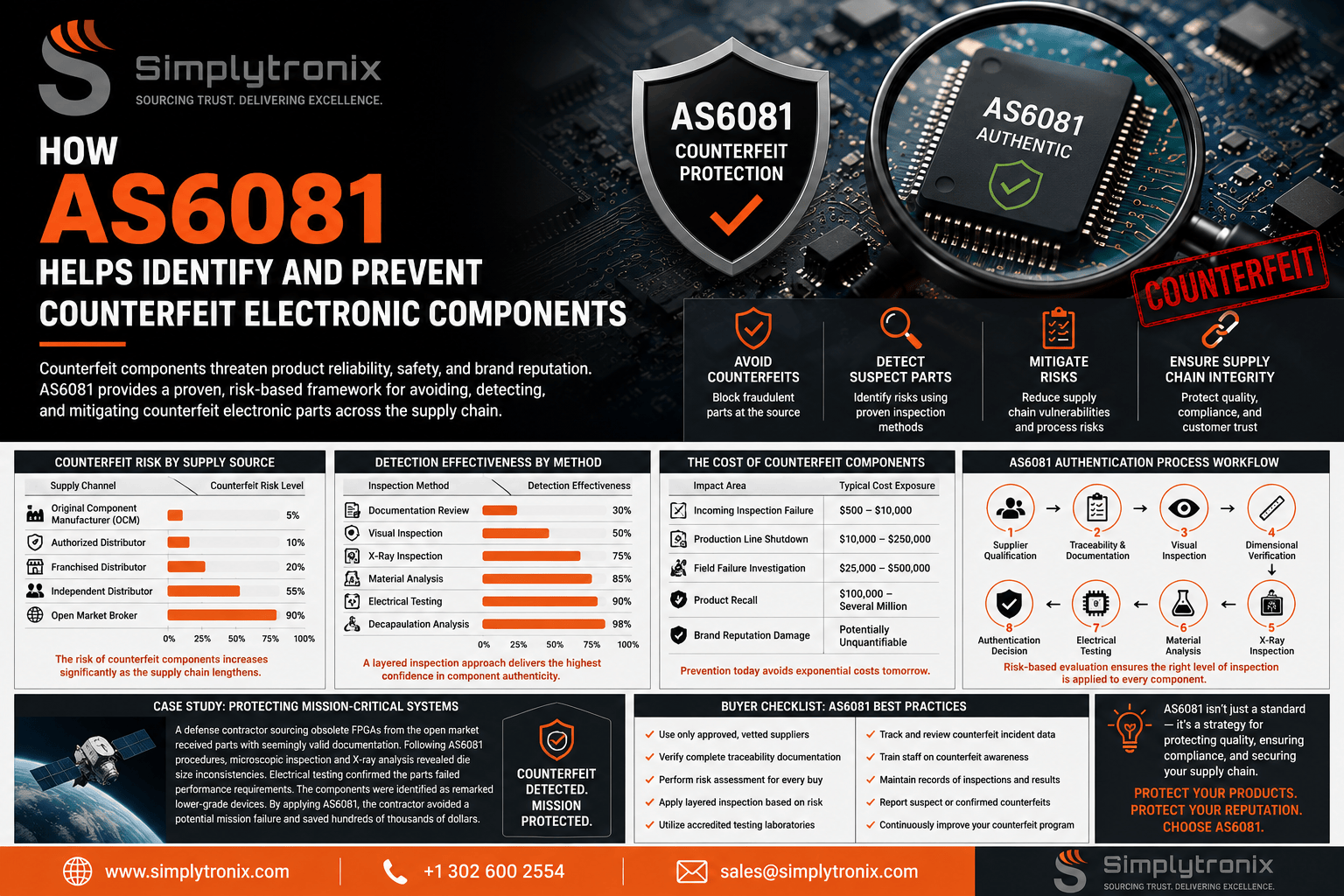
Increased Risk of Counterfeit Components
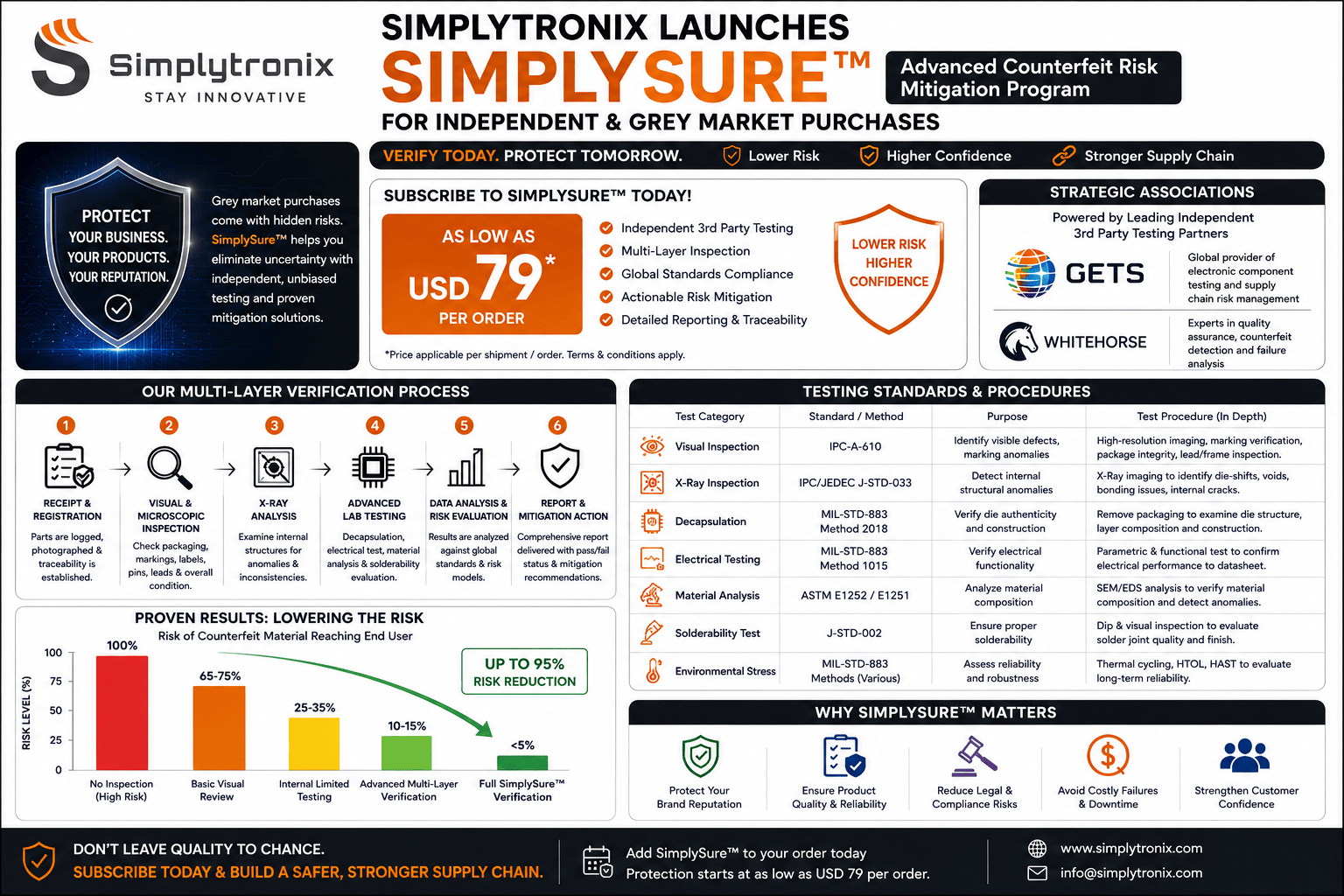
As shortages intensify, counterfeit and refurbished memory products often enter the market. Relabeled or recycled eMMC and UFS devices can create serious reliability risks in commercial and industrial applications.
Common counterfeit indicators include:
- Inconsistent laser markings
- Surface sanding or blacktopping
- Incorrect date codes
- Irregular package textures
- Failed electrical testing
- Mismatched firmware data
Proper supplier verification and inspection processes remain critical for avoiding quality issues.
How Manufacturers Can Reduce Procurement Risks
Electronics manufacturers can improve supply stability by adopting proactive sourcing strategies.
1. Forecast Earlier
Long-term forecasting helps suppliers reserve manufacturing capacity and improve allocation visibility.
2. Approve Alternative Parts
Where possible, companies should validate multiple approved memory solutions to reduce dependency on single-source components.
3. Build Strategic Inventory
Maintaining safety stock for critical memory devices can help minimize production disruptions during market shortages.
4. Work With Trusted Global Distributors
Reliable sourcing partners can help locate hard-to-find memory products, manage lead times, and verify authenticity through professional testing and inspection procedures.
5. Monitor Lifecycle Status
OEMs should closely monitor lifecycle announcements, PCNs, and EOL notices for embedded storage products used in long-life applications.
Future Outlook for eMMC and UFS Markets
Industry analysts expect continued strong demand for embedded memory throughout 2026 and beyond. While production capacity expansions are underway, growing requirements from AI infrastructure, automotive electronics, and smart connected devices are likely to keep the market tight.
UFS adoption is expected to accelerate further as manufacturers demand faster storage performance for advanced applications. Meanwhile, industrial demand for legacy eMMC solutions may continue facing supply pressure due to ongoing manufacturing transitions.
Conclusion
The eMMC and UFS memory shortage in 2026 highlights the growing complexity of the global semiconductor supply chain. Rising demand from smartphones, automotive electronics, AI systems, and industrial devices continues placing pressure on NAND flash production capacity.
For OEMs and procurement teams, successful sourcing now requires proactive planning, supplier diversification, lifecycle monitoring, and strong quality control processes. Companies that adapt quickly to changing market conditions will be better positioned to maintain production stability and reduce supply chain risk.