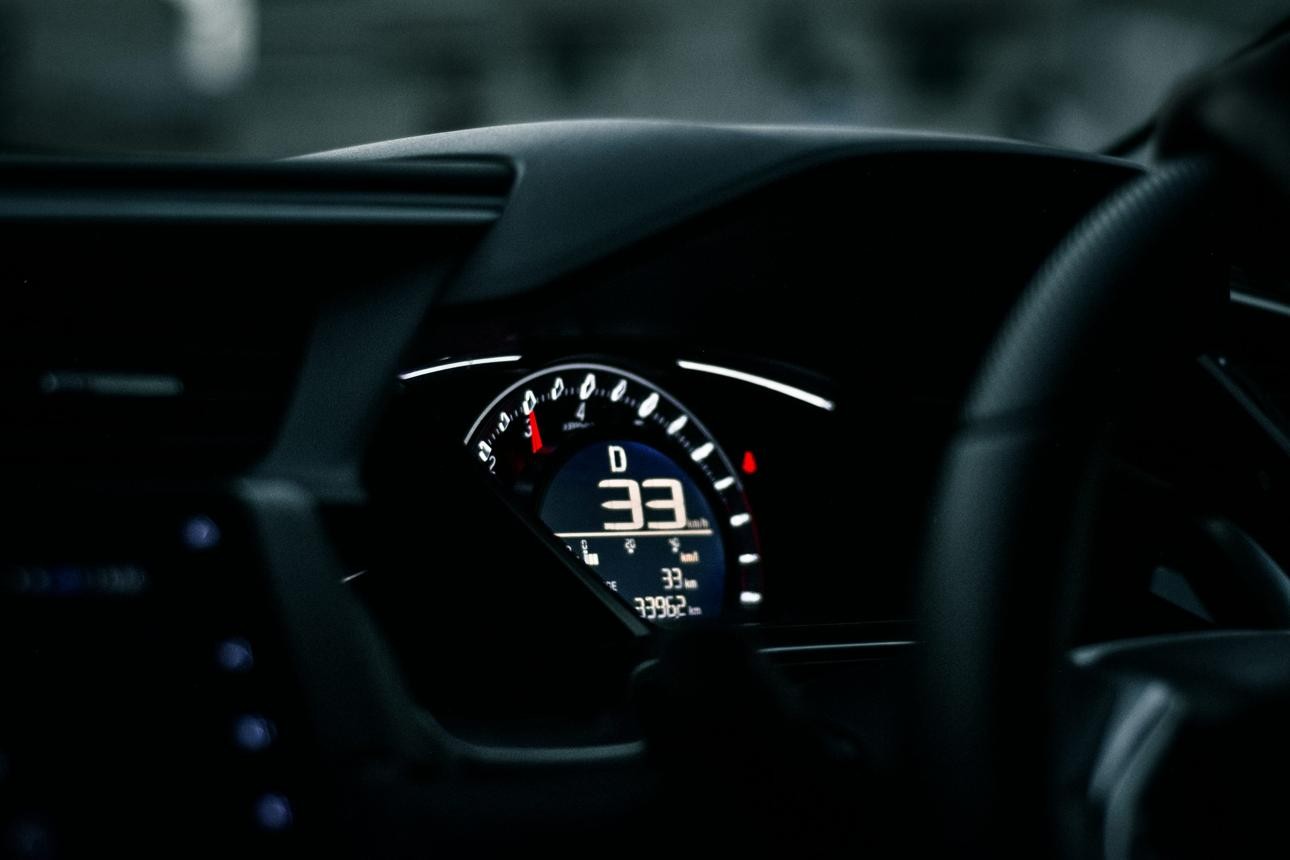
The automotive industry has undergone a massive transformation over the past decade, driven by advancements in electronics and intelligent systems. Modern vehicles are no longer purely mechanical machines—they are sophisticated electronic platforms powered by a wide range of electronic components.
From safety systems to infotainment and electric powertrains, electronic components play a critical role in enhancing performance, efficiency, and user experience.
1. Engine Control Units (ECUs): The Vehicle’s Brain
At the heart of every modern vehicle lies the Engine Control Unit (ECU), which manages engine performance, fuel efficiency, and emissions.
- Microcontrollers process real-time data
- Sensors monitor engine conditions
- Power components regulate electrical flow
These components work together to optimize engine performance while meeting stringent emission standards.
2. Sensors: Enabling Intelligent Systems
Sensors are critical in modern vehicles, enabling real-time monitoring and automation. They collect data from various parts of the vehicle and environment.
- Temperature sensors
- Pressure sensors
- Proximity and radar sensors
- Camera modules for vision systems
These sensors are essential for features like Advanced Driver Assistance Systems (ADAS), which improve safety and driving convenience.
3. Power Electronics in Electric Vehicles (EVs)
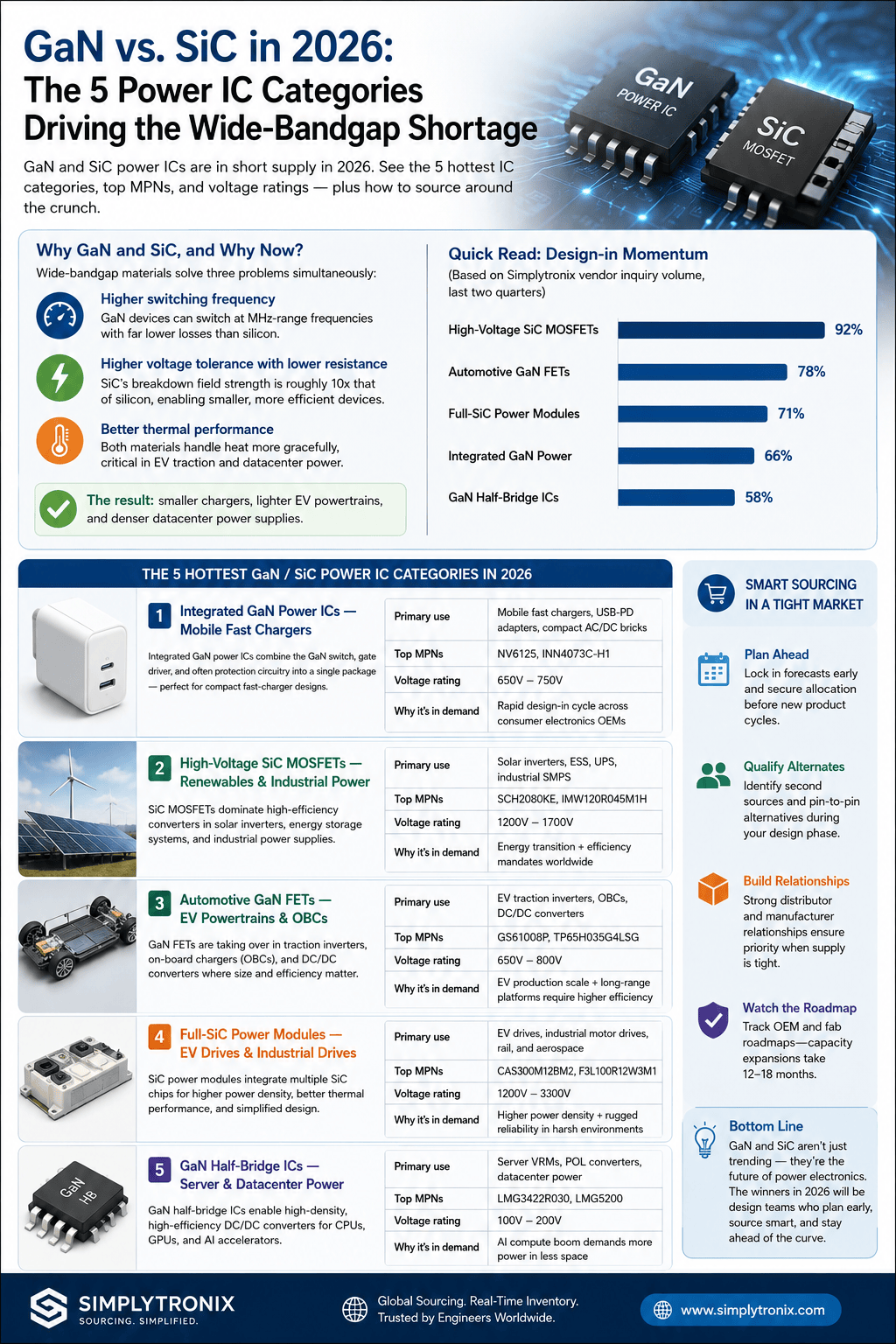
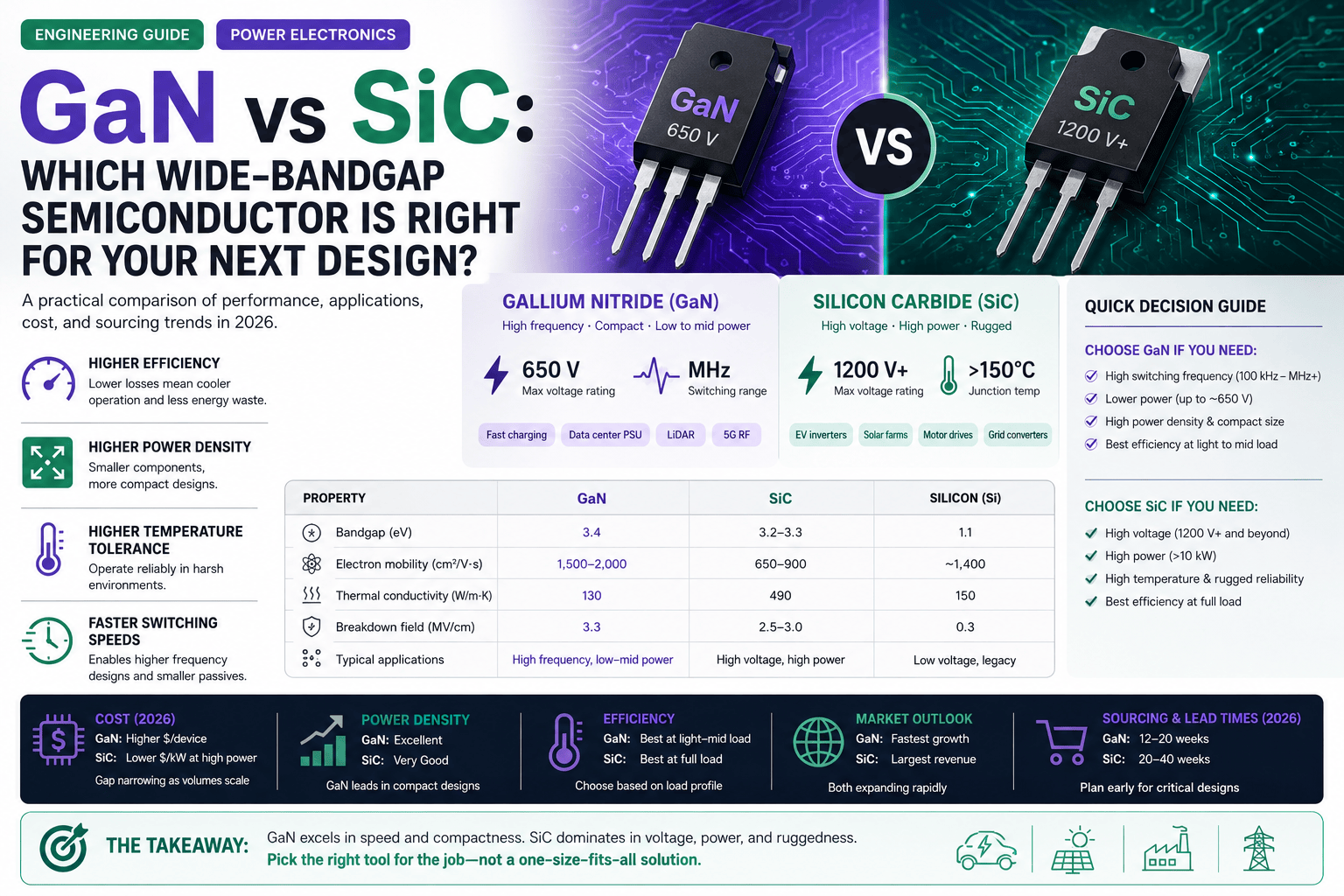
With the rise of electric vehicles, power electronics have become more important than ever. Components such as IGBTs, MOSFETs, and diodes are used to control and convert electrical energy efficiently.
- Battery management systems (BMS)
- Inverters for motor control
- Onboard chargers
These components ensure efficient energy usage, longer battery life, and improved vehicle performance.
4. Infotainment and Connectivity
Modern vehicles are equipped with advanced infotainment systems that provide navigation, entertainment, and connectivity features.
- Display drivers and touch controllers
- Audio processing ICs
- Wireless modules (Bluetooth, Wi-Fi, GPS)
These systems enhance the overall driving experience and keep users connected on the go.
5. Safety and Control Systems
Electronic components are at the core of vehicle safety systems, ensuring protection for both drivers and passengers.
- Airbag control modules
- Anti-lock braking systems (ABS)
- Electronic stability control (ESC)
These systems rely on fast and reliable electronic components to respond instantly in critical situations.
6. Passive Components: Ensuring Stability
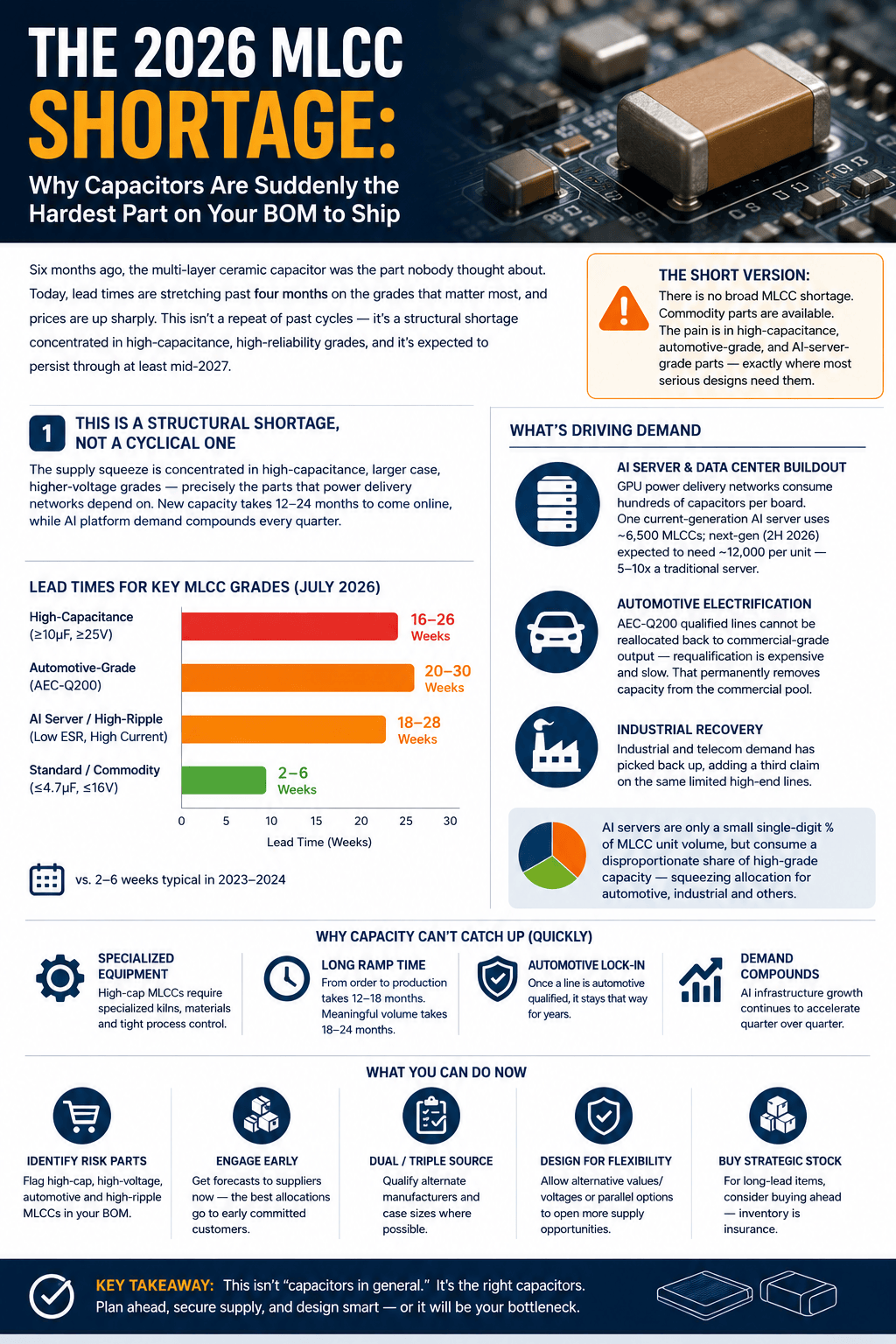
Passive components such as resistors, capacitors, and inductors play a vital role in maintaining circuit stability and reliability.
- Voltage regulation
- Noise filtering
- Signal conditioning
Though small, these components are essential for the smooth functioning of automotive electronics.
7. The Future of Automotive Electronics
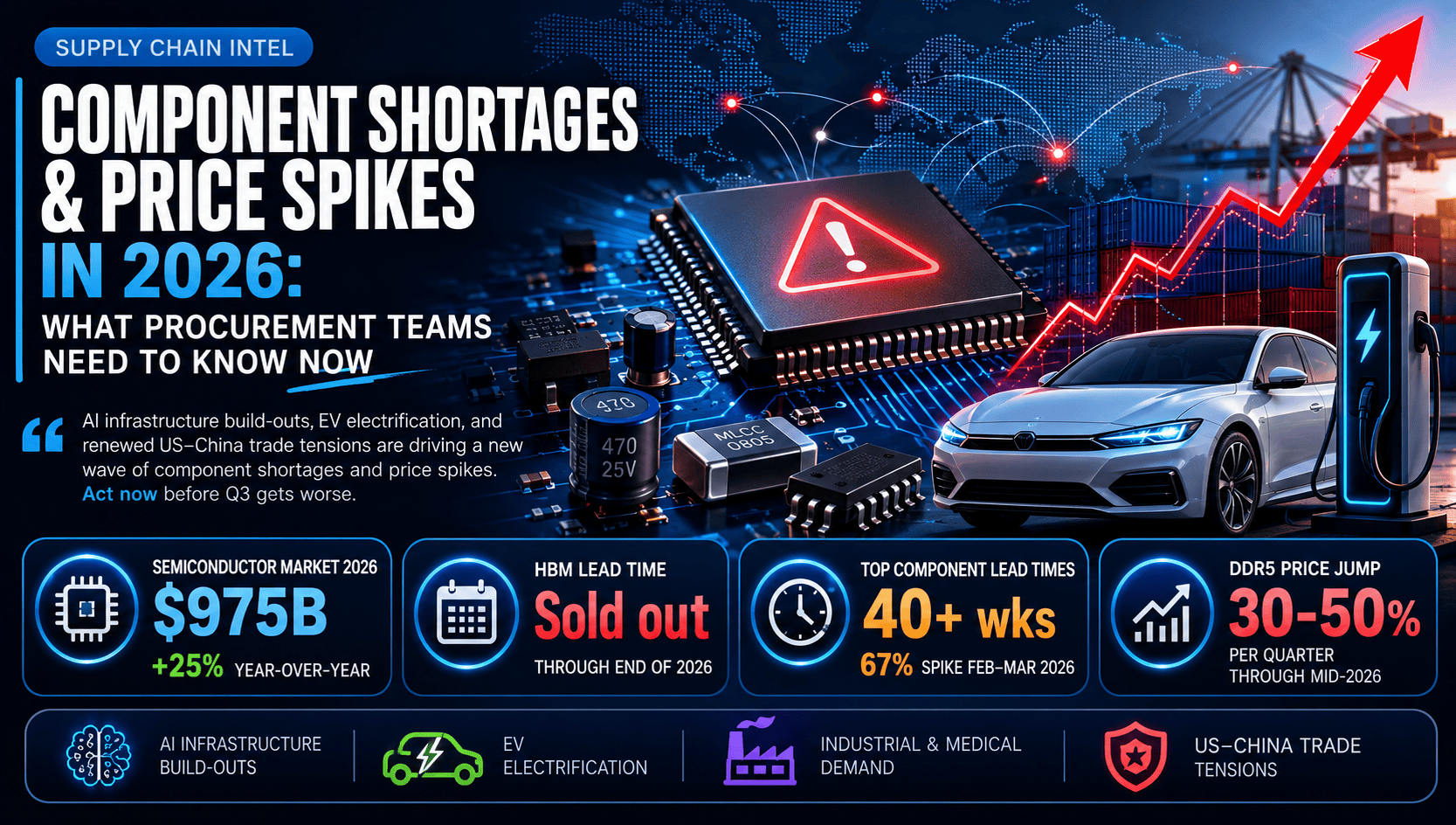
The future of the automotive industry is heavily dependent on electronics. Innovations such as autonomous driving, vehicle-to-everything (V2X) communication, and advanced battery technologies are driving demand for high-performance electronic components.
- Autonomous driving systems
- AI-powered vehicle intelligence
- Advanced semiconductor technologies
As vehicles become smarter and more connected, the role of electronic components will continue to grow.
Conclusion
Electronic components are the foundation of modern automotive innovation. From enhancing safety to enabling electric mobility and smart connectivity, they play a crucial role in shaping the future of transportation.
As the automotive industry evolves, the demand for reliable, high-quality electronic components will remain stronger than ever—making them indispensable to next-generation vehicles.